
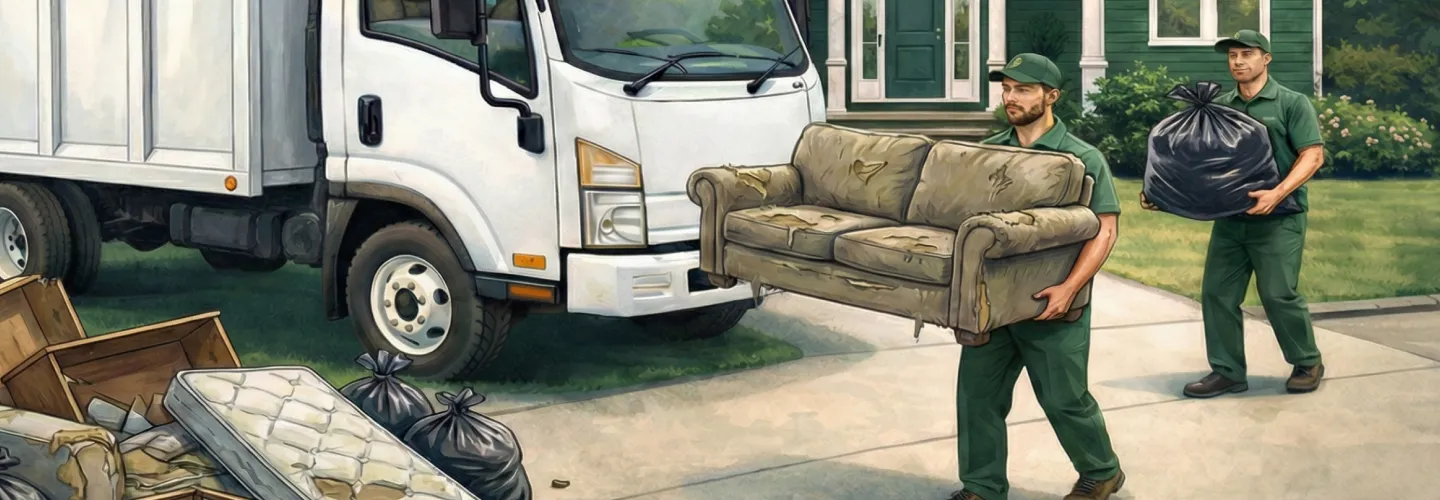
Alpharetta Storage Unit Cleanout Services
Choose our Storage Unit Cleanout for fast, reliable, and hassle-free service—our experienced team handles everything from sorting to disposal, so you can enjoy a clean, organized space without lifting a finger.
Get a Free QuoteOur Alpharetta Junk Removal Services
Storage Unit Cleanout in Alpharetta, GA – Local Service Guide
Storage unit cleanouts in Alpharetta, GA, require careful planning and local know-how to ensure a smooth process. Whether you’re clearing out a unit after a move, downsizing, or managing an estate, timing and logistics matter. In neighborhoods like Windward and Avalon, residents often schedule cleanouts during spring or after major life events, such as home renovations or family transitions. For residential items—furniture, mattresses, appliances, and electronics—options include donation, recycling, or responsible disposal, with local facilities supporting eco-friendly practices. Access to storage units can be affected by weather, unit size, and facility layout, especially during rainy seasons or in larger complexes near North Point. Commercial clients in areas like Downtown Alpharetta or along Old Milton Parkway may need discreet, after-hours service for offices, restaurants, or retail spaces, often requiring coordination for larger volumes and minimal disruption. Specialty cleanouts, such as for foreclosures or construction debris, demand advance planning and may involve coordination with property managers or legal representatives. For guidance on local disposal rules and resources, visit the Alpharetta Public Works Department.
Key Considerations for Storage Unit Cleanout in Alpharetta
- Seasonal timing (spring/fall, post-move, estate transitions)
- Access and facility logistics (weather, unit size, parking)
- Proper disposal and recycling channels
- Volume and category-specific handling (furniture, electronics, debris)
- Permit or scheduling requirements for large-scale or specialty cleanouts
- Coordination with property managers or facility staff
Benefits of Storage Unit Cleanout in Alpharetta

Fast and Efficient Cleanouts
Professional and Reliable Team
Affordable Pricing Options
Eco-Friendly Disposal Solutions
Flexible Scheduling
Comprehensive Junk Removal
Coordinating Storage Unit Cleanout Disposal with Alpharetta's Public Works Department
Storage unit cleanouts in Alpharetta often produce large volumes of mixed materials, including furniture, electronics, boxed goods, and miscellaneous household items. Proper disposal of these materials requires coordination with municipal waste services and awareness of local solid waste handling procedures. Alpharetta's solid waste collection is managed through contracted haulers operating under city oversight, and residents should confirm accepted item categories before placing materials curbside. Key considerations for storage unit cleanout disposal include:
- Bulk item scheduling: Large furniture and oversized items typically require advance scheduling with the designated waste hauler rather than placement during regular collection
- Mixed material sorting: Separate recyclables, electronics, and hazardous materials before transport to appropriate facilities
- Volume limitations: Standard residential collection may not accommodate the full volume generated by a storage unit cleanout; additional hauling arrangements may be necessary
- Prohibited curbside items: Appliances containing refrigerants, tires, batteries, and chemicals must be diverted to specialized facilities
Alpharetta Public Works Department
2 Park Plaza, Alpharetta, GA 30009
Phone: (678) 297-6000
Official Website: Alpharetta Public Works Department
Georgia Solid Waste Regulations Affecting Storage Unit Cleanout Materials
Georgia's Comprehensive Solid Waste Management Act (O.C.G.A. § 12-8-20) establishes the regulatory framework governing disposal of materials commonly found during storage unit cleanouts. The Georgia Environmental Protection Division (GA EPD) oversees enforcement of these provisions, which apply to both residential and commercial waste streams generated in Alpharetta. Important state-level requirements include:
- Solid waste handling permits: Commercial haulers transporting cleanout debris must hold valid permits issued by GA EPD
- Tire disposal restrictions: Tires discovered in storage units cannot be placed in standard waste streams and must be delivered to licensed tire processors
- Lead-acid battery ban: Batteries are prohibited from landfill disposal statewide and must be returned to retailers or recycling facilities
- Used oil and fluids: Motor oil, paint thinners, and chemical solvents found in storage units are classified as hazardous waste and require disposal through Fulton County's Household Hazardous Waste collection events
- Appliance refrigerant recovery: Units containing Freon must undergo certified refrigerant removal per EPA Section 608 regulations before disposal
Residents should verify current disposal requirements with GA EPD before transporting regulated materials from storage unit cleanouts.
Recycling and Donation Diversion Options for Alpharetta Storage Unit Contents
Storage unit cleanouts frequently yield reusable items such as furniture, clothing, small appliances, and household goods that can be diverted from landfills through Alpharetta-area recycling and donation programs. Prioritizing material recovery aligns with Georgia's statewide waste reduction goals and reduces disposal costs. Available diversion options include:
- Furniture and household goods donations: Organizations such as Habitat for Humanity ReStore in the north metro Atlanta area accept gently used furniture, working appliances, and building materials for resale
- Electronics recycling: Computers, televisions, printers, and other e-waste should be taken to certified electronics recyclers; Fulton County periodically hosts e-waste collection events
- Textile and clothing recovery: Wearable clothing and linens can be donated to local thrift organizations or placed in textile recycling bins located throughout Alpharetta
- Scrap metal separation: Metal shelving, bed frames, and appliance housings hold recycling value and should be separated from general waste for delivery to licensed scrap processors
The Alpharetta Natural Resources Commission provides guidance on sustainability initiatives and environmental stewardship programs that support material recovery efforts within the community.
Permit and Code Compliance Considerations for Storage Unit Cleanout Operations in Alpharetta
Storage unit cleanout projects in Alpharetta may trigger permit and code compliance requirements, particularly when removal vehicles require extended parking, when debris is staged temporarily on commercial property, or when hazardous materials are encountered. The Alpharetta Community Development Department administers building codes, zoning regulations, and development standards that may apply to cleanout operations. Key compliance factors include:
- Commercial vehicle parking: Removal trucks parked on public streets or rights-of-way for extended periods may require coordination with the city; verify local parking ordinances before staging vehicles
- Debris staging restrictions: Temporary storage of cleanout materials on sidewalks, parking lots, or adjacent properties may violate zoning provisions; materials should be loaded directly onto transport vehicles when possible
- Noise ordinance compliance: Alpharetta enforces noise regulations that may restrict heavy loading activities during early morning and late evening hours
- Hazardous material discovery: If asbestos-containing materials, chemical containers, or biohazardous items are found, work should stop and appropriate licensed remediation professionals should be contacted
Alpharetta Community Development Department
2 Park Plaza, Alpharetta, GA 30009
Phone: (678) 297-6000
Official Website: Alpharetta Community Development Department
Safety Protocols and Hazardous Material Handling During Alpharetta Storage Unit Cleanouts
Storage units that have been sealed for extended periods may contain deteriorated materials, pest infestations, mold growth, or improperly stored chemicals that pose health and safety risks. Workers performing cleanouts in Alpharetta should follow established safety protocols to minimize exposure to hazards. Essential safety considerations include:
- Personal protective equipment (PPE): Gloves, dust masks or N95 respirators, eye protection, and closed-toe footwear should be worn during all cleanout activities
- Mold and moisture damage: Units with water intrusion may contain mold-contaminated materials; porous items such as mattresses, upholstered furniture, and cardboard should be assessed before handling
- Chemical containers: Unmarked or leaking containers should not be opened; contact the Alpharetta Fire Department for guidance on unknown chemical hazards
- Heavy lifting protocols: Furniture, appliances, and stacked boxes require proper lifting techniques and equipment such as dollies and hand trucks to prevent injury
- Pest contamination: Rodent droppings, insect infestations, and nesting materials require careful cleanup with appropriate disinfection procedures
The EPA Lead-Safe Renovation Rule applies when pre-1978 painted items such as furniture or building materials are encountered during cleanouts.
What Neighborhoods Do We Serve Throughout Alpharetta, GA?
- Downtown Alpharetta: The walkable city center features mixed-use developments and commercial storage facilities with limited loading zone access. Coordination with nearby businesses and adherence to parking restrictions along Main Street are essential during cleanout operations.
- Windward: This large master-planned community includes numerous self-storage facilities along GA-400 corridor. Wide roadways and commercial infrastructure support efficient vehicle access, though HOA guidelines may govern debris staging on residential properties.
- Crabapple: The historic Crabapple district features older structures and narrower roadways that may limit large truck maneuverability. Storage facilities in this area may have tighter access points requiring smaller transport vehicles.
- Avalon Area: High-density mixed-use development near Avalon creates congested traffic conditions. Storage unit cleanouts in this corridor require scheduling during off-peak hours to navigate commercial traffic and limited parking availability.
- Devore Farms and Cogburn Road Corridor: Established residential neighborhoods with proximity to several storage facility clusters along Cogburn Road. Standard residential street widths accommodate most removal vehicles, though cul-de-sac turnaround space should be verified.
- Webb Bridge Area: Newer suburban development with accessible road networks and proximity to North Point commercial district storage facilities. Loading and unloading operations benefit from wider commercial driveways and ample staging areas.