
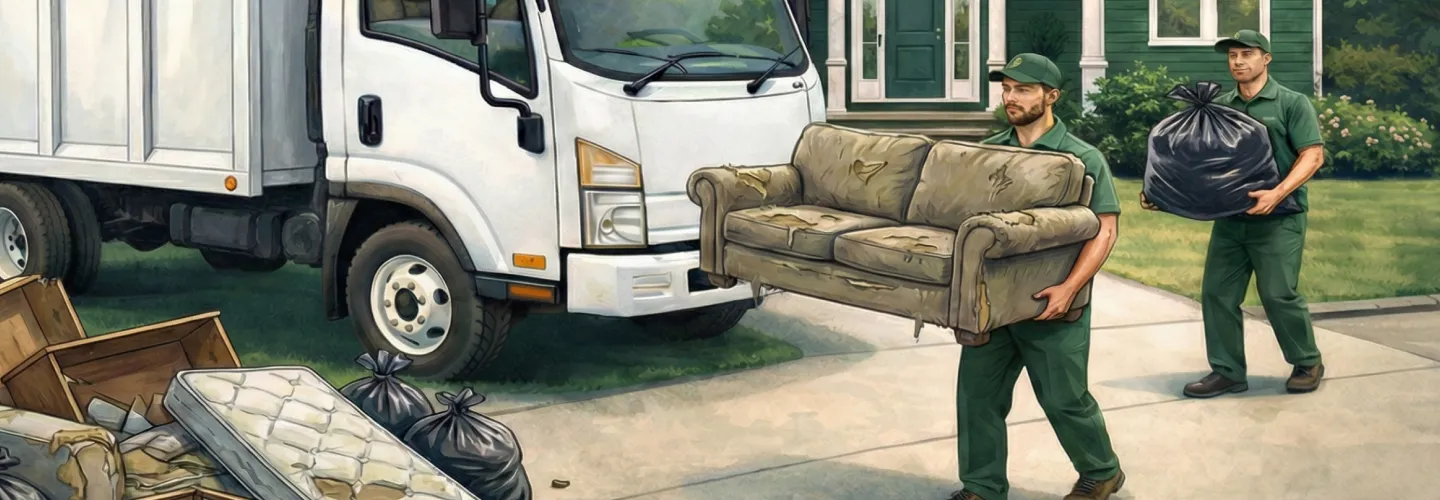
Alpharetta Construction Debris Removal Services
Choose our Construction Debris Removal for fast, reliable, and eco-friendly service that keeps your site safe, organized, and ready for the next phase.
Get a Free QuoteOur Alpharetta Junk Removal Services
Construction Debris Removal in Alpharetta, GA – Local Service Guide
Construction debris removal in Alpharetta, GA, is essential for maintaining safe, attractive properties and meeting local regulations. Homeowners in neighborhoods like Windward and Avalon often need debris removal after renovations, appliance upgrades, or seasonal cleanouts. Typical triggers include spring cleaning, storm recovery, or replacing large items such as hot tubs or sheds. Options for disposal range from donation and recycling to responsible landfill use, with logistics shaped by driveway access, weather, and item size. For residential spaces like garages, basements, and yards, cleanouts often follow heavy rains or leaf cycles, especially in areas with dense tree coverage or flood-prone lots. Commercial clients in downtown Alpharetta, North Point, and along Old Milton Parkway require timely, discreet removal for offices, restaurants, and construction sites, often dealing with higher volumes and strict operational windows. Specialty services—such as dumpster rentals or estate cleanouts—demand careful planning and coordination, particularly for foreclosures or hoarding situations. For guidance on local disposal rules and resources, visit the Alpharetta Public Works Department.
Key Considerations for Construction Debris Removal in Alpharetta
- Timing projects around local weather and seasonal events
- Securing necessary permits for large-scale removals
- Using approved disposal and recycling channels
- Ensuring clear access for trucks and crews
- Accurately estimating debris volume for efficient service
- Coordinating with property managers or HOAs for specialty items
Benefits of Construction Debris Removal in Alpharetta
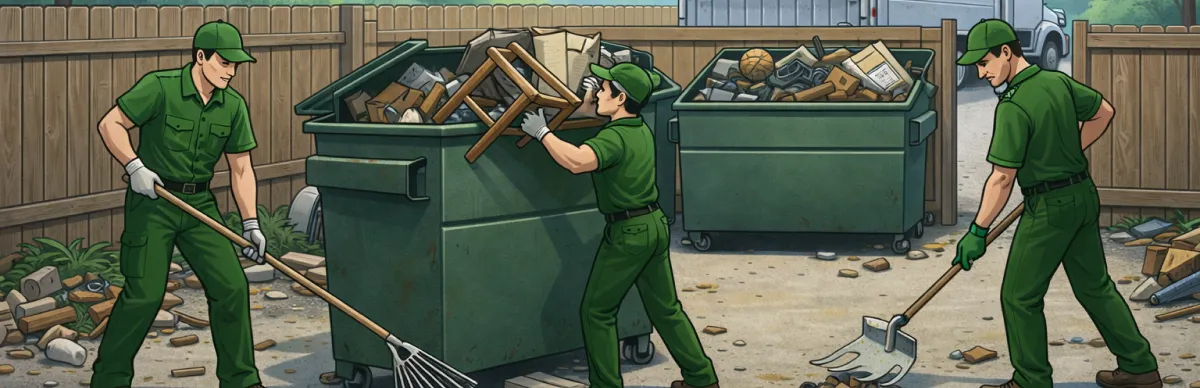
Fast and Reliable Cleanup
Safe Job Site Practices
Eco-Friendly Disposal Solutions
Cost-Effective Debris Removal
Flexible Scheduling Options
Experienced Local Professionals
Coordinating Construction Debris Removal with Alpharetta's Community Development Department
Construction and demolition projects in Alpharetta generate significant volumes of debris requiring proper disposal coordination through municipal channels. The Alpharetta Community Development Department oversees building permits, inspections, and development review processes that directly affect how construction waste must be managed on active job sites. Before initiating any renovation or demolition project, property owners and contractors should confirm permit requirements and waste management expectations.
- Building permits are required for most structural renovation and demolition work generating debris
- Site inspections may verify that construction waste is being stored and removed in compliance with local codes
- Debris accumulation on residential or commercial properties without active removal may trigger code enforcement action
- Contractors operating within Alpharetta must maintain appropriate business licensing and insurance documentation
Alpharetta Community Development Department
2 Park Plaza, Alpharetta, GA 30009
Phone: (678) 297-6000
Official Website: Alpharetta Community Development Department
Georgia's Solid Waste Management Act and Construction Debris Disposal Requirements
Georgia regulates construction and demolition debris under the Georgia Comprehensive Solid Waste Management Act (O.C.G.A. § 12-8-20), which establishes standards for the handling, transport, and disposal of waste materials generated during building projects. The Georgia Environmental Protection Division (GA EPD) administers solid waste permitting for landfills and transfer stations that accept construction debris throughout the state. Alpharetta residents and contractors must ensure that debris is transported only to facilities holding valid solid waste handling permits issued by GA EPD.
- Construction and demolition (C&D) debris includes lumber, drywall, roofing materials, concrete, brick, metal, and glass
- Inert waste landfills in Georgia accept clean concrete, brick, and soil but prohibit mixed debris containing hazardous components
- Manifest or receipt documentation from the receiving disposal facility should be retained as proof of proper disposal
- Illegal dumping of construction debris carries penalties under Georgia law, including fines and potential criminal charges
- Asbestos-containing materials must be handled by licensed abatement contractors and disposed of at facilities permitted for friable or non-friable asbestos waste
Georgia Environmental Protection Division
2 Martin Luther King Jr. Drive SE, Suite 1456, Atlanta, GA 30334
Phone: (404) 656-4713
Official Website: Georgia Environmental Protection Division
Material Sorting and Separation Standards for Alpharetta Construction Projects
Proper sorting of construction debris at the job site is essential for regulatory compliance and maximizing material recovery. Alpharetta contractors and homeowners undertaking renovation or demolition work should separate materials into distinct categories before transport to ensure acceptance at designated disposal or recycling facilities. Mixed loads containing prohibited items may be rejected at transfer stations or subject to surcharges.
- Clean wood and lumber free of paint, stain, or chemical treatment can often be directed to wood recycling or biomass facilities
- Concrete, brick, and masonry should be separated from other debris for processing at inert waste or aggregate recycling operations
- Metals including steel framing, copper pipe, and aluminum flashing are accepted at scrap metal recycling facilities
- Drywall and gypsum board should be kept dry and separated, as some facilities accept clean drywall for recycling
- Roofing shingles (asphalt) may be accepted at specialized recycling facilities for use in road paving applications
- Hazardous materials such as lead-based paint, solvents, adhesives, and treated wood must never be mixed with general C&D debris
Failure to separate hazardous components from construction waste may result in load rejection, contamination fees, and potential violations under both state and federal regulations, including the Resource Conservation and Recovery Act (RCRA).
Stormwater Protection and Environmental Compliance During Debris Removal in Alpharetta
Construction debris removal activities in Alpharetta must comply with stormwater management requirements designed to prevent sediment, pollutants, and construction materials from entering the municipal storm drain system. The Alpharetta Stormwater Program enforces erosion and sediment control measures on construction sites, and debris removal operations are subject to these protections.
- Debris staging areas should be located away from storm drains, ditches, and waterways to prevent material runoff
- Silt fencing and erosion controls must remain in place during active debris removal on permitted construction sites
- Dust suppression measures may be required when removing dry materials such as concrete, dryite, or masonry to prevent airborne particulate migration
- Liquid waste including paint washout, concrete slurry, and chemical residues must not be discharged into storm drains
- Spill containment protocols should be in place for equipment fueling and any materials containing oils or solvents
Alpharetta Stormwater Program
2 Park Plaza, Alpharetta, GA 30009
Phone: (678) 297-6000
Official Website: Alpharetta Stormwater Program
Violations of stormwater protection requirements may result in stop-work orders, fines, and mandatory remediation under both city ordinances and the federal Clean Water Act.
Lead Paint and Asbestos Safety Protocols for Alpharetta Demolition Debris
Older structures in Alpharetta—particularly those built before 1978—may contain lead-based paint or asbestos-containing materials that require specialized handling during renovation and demolition. Federal regulations under the EPA Renovation, Repair, and Painting Rule mandate that contractors disturbing lead-based paint in pre-1978 residential properties must be EPA-certified and follow lead-safe work practices. Asbestos surveys are strongly recommended for buildings constructed before 1980.
- Lead-based paint debris must be contained, collected, and disposed of according to EPA lead-safe work practice standards
- Asbestos inspections should be conducted by Georgia-licensed inspectors before any demolition or renovation that may disturb suspect materials
- Friable asbestos requires removal by licensed abatement contractors and disposal at permitted hazardous waste facilities
- Non-friable asbestos (such as floor tiles or transite siding) must be handled carefully to avoid breakage and fiber release
- Worker protection under OSHA standards requires respiratory protection, containment, and decontamination procedures when handling lead or asbestos debris
- Disposal documentation including waste manifests and abatement completion reports must be maintained for regulatory compliance
The EPA Region 4 office oversees federal environmental compliance for Georgia, including lead and asbestos regulations affecting construction debris disposal.
What Neighborhoods Do We Serve Throughout Alpharetta, GA?
- Downtown Alpharetta: Mixed-use redevelopment projects in the historic downtown core frequently generate construction debris from commercial renovations and adaptive reuse of older structures. Narrow streetscapes and pedestrian traffic may require coordinated debris removal scheduling during off-peak hours.
- Windward: This large planned community features ongoing residential construction and renovation activity. Wide residential streets and standard driveway access generally accommodate debris removal vehicles without significant logistical constraints.
- Crabapple: As a designated historic crossroads community, renovation projects in Crabapple may involve older structures requiring lead paint or asbestos assessments before debris removal. Tree-lined roads and smaller lot sizes may affect staging and vehicle access.
- Avalon Area: High-density mixed-use development near Avalon generates commercial and residential construction debris. Loading dock coordination and building management approval are typically required for debris removal from multi-story structures.
- Cogburn Road Corridor: Established single-family neighborhoods along this corridor experience frequent kitchen, bathroom, and whole-home renovation projects. Homeowner association guidelines may govern debris staging and removal timelines on residential properties.
- Webb Bridge Area: Newer subdivisions with active construction and home improvement projects produce standard residential construction debris. HOA notification requirements and community gate access may need advance coordination for removal vehicles.