
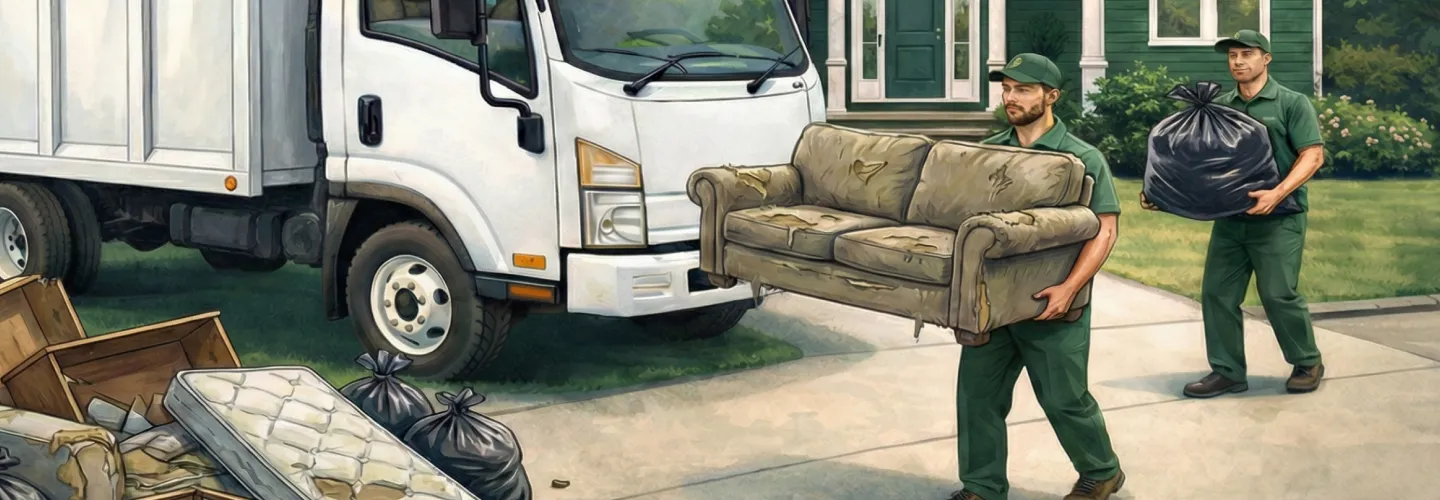
Alpharetta Hoarding Cleanup Services
Choose our hoarding cleanup experts for discreet, respectful service that restores safety, comfort, and peace of mind to your home—because you deserve a fresh start with a team that truly cares.
Get a Free QuoteOur Alpharetta Junk Removal Services
Hoarding Cleanup in Alpharetta, GA – Local Service Guide
Hoarding cleanup in Alpharetta, GA requires a sensitive, thorough approach tailored to local needs. Whether you’re in Windward, Avalon, or near Downtown Alpharetta, our team understands the unique challenges posed by residential and commercial properties. For residential items like furniture, mattresses, and appliances, cleanouts often follow life transitions, seasonal upgrades, or storm damage—especially in neighborhoods with older homes or heavy tree coverage. We coordinate donation, recycling, or responsible disposal, factoring in access and weather. Residential spaces such as garages, basements, and yards see increased activity during spring cleanouts or after heavy rains, with local schedules and property layouts influencing timing. Commercial clients in areas like North Point or the Tech Corridor face industry-specific needs, from discreet office cleanouts to large-scale warehouse removals, often requiring after-hours service and volume management. Specialty projects—such as estate, foreclosure, or hoarding situations—demand careful planning, coordination with property managers, and compliance with city guidelines for safe, efficient results. For more on local disposal rules and resources, visit the Alpharetta Public Works Department.
Key Considerations for Hoarding Cleanup in Alpharetta
- Timing cleanouts around local weather and seasonal events
- Securing necessary permits for large-scale removals
- Using approved disposal and recycling channels
- Navigating property access in established neighborhoods
- Managing high volumes and category-specific items
- Coordinating with city services and property managers
Benefits of Hoarding Cleanup in Alpharetta
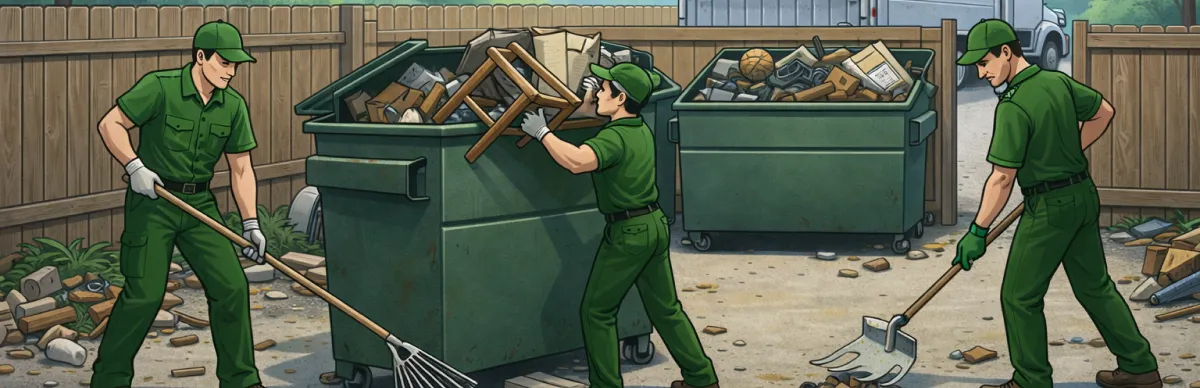
Professional Hoarding Cleanup Experts
Discreet and Compassionate Service
Fast Response Times
Thorough Sanitization and Odor Removal
Customized Cleanup Plans
Licensed and Insured Team
Coordinating Hoarding Cleanup with Fulton County and Alpharetta Code Enforcement
Hoarding situations in Alpharetta often involve code enforcement actions initiated through the Alpharetta Community Development Department, which oversees building inspections and property maintenance standards. Residents and property owners should understand the regulatory framework governing these cleanups to ensure full compliance.
- Property maintenance violations may be issued when accumulated materials create fire hazards, structural concerns, or pest infestations
- Building inspections are typically required before and after cleanup to verify structural integrity and habitability
- Fulton County Board of Health may issue health hazard citations for properties with biohazard conditions, mold, or vermin
- Permit requirements apply when cleanup involves structural repairs, electrical work, or plumbing restoration
- Noise ordinances in Alpharetta restrict cleanup operations to daytime hours, generally between 7:00 AM and 9:00 PM on weekdays
Coordination between code enforcement and cleanup crews is essential to meet abatement deadlines and avoid escalating fines.
Alpharetta Community Development Department
2 Park Plaza, Alpharetta, GA 30009
Phone: (678) 297-6000
Official Website: Alpharetta Community Development Department
Biohazard Disposal and Hazardous Material Handling During Alpharetta Hoarding Remediation
Hoarding environments frequently contain hazardous materials requiring specialized handling under both Georgia and federal regulations. The Georgia Environmental Protection Division (GA EPD) enforces solid waste management rules that govern how these materials must be sorted, transported, and disposed of during cleanup operations.
- Biohazardous waste such as animal waste, spoiled food, and human biological materials must be handled by licensed contractors and transported in sealed, labeled containers
- Household hazardous waste including paints, solvents, pesticides, and cleaning chemicals cannot be placed in regular solid waste streams; Fulton County periodically hosts Household Hazardous Waste Collection Events for proper disposal
- Medications and sharps must be separated and disposed of through designated pharmaceutical take-back programs or sharps collection sites
- Asbestos and lead paint in pre-1978 Alpharetta homes require assessment before disturbance, per the EPA Renovation, Repair, and Painting Rule
- Refrigerant-containing appliances such as refrigerators and air conditioners require certified refrigerant recovery under EPA Section 608 regulations before disposal
Improper disposal of hazardous materials may result in penalties under Georgia's Solid Waste Management Act.
Georgia Environmental Protection Division
2 Martin Luther King Jr. Drive SE, Suite 1456, Atlanta, GA 30334
Phone: (404) 656-4713
Official Website: Georgia Environmental Protection Division
Alpharetta's Bulk Waste Disposal and Material Sorting Requirements for Hoarding Projects
Large-scale hoarding cleanups generate significant volumes of mixed waste that must be properly sorted before disposal. Alpharetta residents receive curbside solid waste and recycling collection through contracted haulers, but hoarding-level volumes typically exceed standard residential service limits and require additional coordination.
- Standard curbside collection does not accommodate the volume generated by hoarding remediation; supplemental hauling arrangements are necessary
- Material separation is required to divert recyclables, electronics, and hazardous items from the general waste stream
- Electronics and e-waste must not be placed in regular trash; Georgia does not have a statewide e-waste landfill ban, but responsible disposal through certified recyclers is strongly encouraged
- Mattresses and furniture in salvageable condition should be directed to donation programs before landfill disposal
- Construction and demolition debris generated during post-cleanup renovation must be separated from household waste and hauled to facilities permitted to accept C&D materials
The Alpharetta Public Works Department can provide guidance on approved haulers and disposal facilities serving the area.
Alpharetta Public Works Department
2 Park Plaza, Alpharetta, GA 30009
Phone: (678) 297-6000
Official Website: Alpharetta Public Works Department
Mental Health Resources and Social Services Coordination for Alpharetta Hoarding Cases
Effective hoarding cleanup extends beyond physical removal of materials and requires coordination with mental health and social service providers. Alpharetta residents and families navigating hoarding situations should be aware of available support systems that facilitate long-term recovery and prevent recurrence.
- Fulton County Department of Behavioral Health and Developmental Disabilities offers mental health assessments, counseling referrals, and case management for individuals affected by hoarding disorder
- Adult Protective Services (APS) through the Georgia Division of Aging Services may be involved when vulnerable adults are living in unsafe hoarding conditions
- Alpharetta Police Department community resource officers can assist with welfare checks and connect residents to social services when hoarding conditions are reported
Alpharetta Police Department
2565 Old Milton Parkway, Alpharetta, GA 30009
Phone: (678) 297-6300
Official Website: Alpharetta Police Department
- Hoarding task forces in the greater Atlanta metropolitan area bring together code enforcement, fire departments, public health officials, and mental health professionals to develop coordinated intervention plans
- The Alpharetta Fire Department conducts fire safety inspections and may identify hoarding conditions that create blocked egress routes or fire load hazards during routine inspections
- Post-cleanup support plans should include ongoing therapeutic services to address underlying hoarding behaviors and prevent re-accumulation
Stormwater Protection and Environmental Compliance During Alpharetta Hoarding Cleanups
Hoarding cleanup operations must account for environmental protections, particularly regarding stormwater runoff and pollution prevention. The Alpharetta Stormwater Program enforces regulations designed to prevent contaminants from entering the city's drainage infrastructure and local waterways.
- Debris staging areas on driveways or yards must be managed to prevent loose materials, chemicals, or sediment from washing into storm drains during rain events
- Liquid waste including old paints, cleaning products, and petroleum-based fluids must never be poured into storm drains or onto the ground
- Mold-contaminated materials should be bagged and sealed before transport to prevent spore dispersal into the surrounding environment
- Yard accumulation of organic debris, rotting materials, and standing water must be addressed to eliminate mosquito breeding habitats and prevent water quality degradation
- The Alpharetta Natural Resources Commission provides guidance on environmental stewardship practices that apply during large-scale property remediation projects
Alpharetta Stormwater Program
2 Park Plaza, Alpharetta, GA 30009
Phone: (678) 297-6000
Official Website: Alpharetta Stormwater Program
Cleanup contractors should implement best management practices including tarping staged debris, using containment barriers near storm drain inlets, and scheduling material removal to avoid periods of heavy rainfall.
What Neighborhoods Do We Serve Throughout Alpharetta, GA?
- Downtown Alpharetta: Mixed-use properties near the city center may present access challenges due to narrow lot configurations and proximity to neighboring structures. Older buildings in this area may require lead paint and asbestos assessments before cleanup disturbance.
- Windward: This large planned community features single-family homes with HOA oversight. Hoarding cleanup crews should coordinate with homeowners association management regarding vehicle parking, debris staging, and property appearance during multi-day projects.
- Crabapple: Historic character homes in this district may have narrow hallways, limited entry points, and aging structural elements requiring careful navigation during heavy item removal and debris extraction.
- Haynes Bridge Area: Predominantly residential neighborhoods with standard suburban lot sizes and driveway access. Properties built in the 1980s and 1990s should be evaluated for older building materials before renovation-related cleanup work.
- Webb Bridge: Family-oriented subdivisions with cul-de-sac layouts that may limit large vehicle turnaround space. Advance coordination with neighbors is recommended when extended cleanup operations require street-side staging.
- Cogburn Road Corridor: A mix of established single-family homes and newer townhome developments. Townhome properties may require building management approval and shared-access coordination for cleanup equipment and hauling vehicles.