
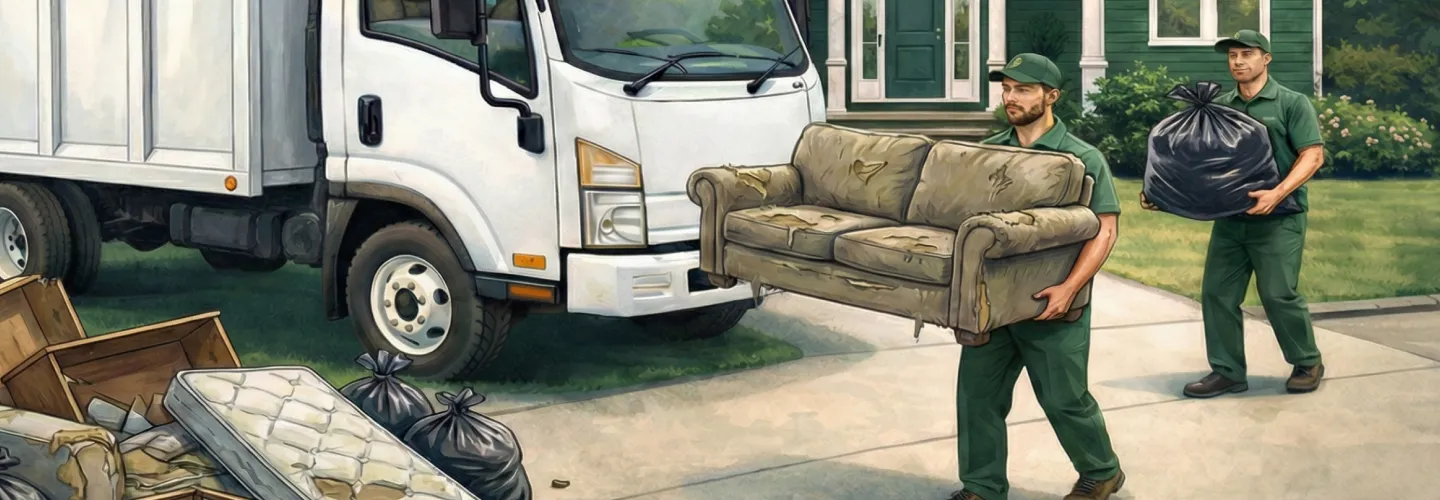
Alpharetta Regular Trash Pickup Services
Choose our Regular Trash Pickup for dependable, hassle-free waste removal that keeps your home clean and your schedule worry-free—enjoy peace of mind knowing your trash is handled by local professionals you can trust.
Get a Free QuoteOur Alpharetta Junk Removal Services
Regular Trash Pickup in Alpharetta, GA – Local Service Guide
Regular trash pickup in Alpharetta, GA is essential for maintaining clean, healthy neighborhoods like Windward, Avalon, and Downtown Alpharetta. For residential items such as furniture, mattresses, appliances, and electronics, pickups often coincide with seasonal cleanouts, home renovations, or after major life events. Residents in areas with larger lots or heavy tree coverage may require more frequent service, especially after storms or during yard waste cycles. For residential spaces—garages, basements, attics, and yards—spring and fall cleanouts are common, and properties near Big Creek or Webb Bridge may face unique challenges like flooding or increased debris. Commercial clients in North Point or along Old Milton Parkway need reliable, discreet pickups to manage higher volumes from offices, restaurants, and retail spaces, often requiring early morning or after-hours service. Specialty pickups, such as for construction debris or estate cleanouts, demand careful planning and coordination, especially in historic or high-traffic neighborhoods. For details on local regulations and schedules, consult the Alpharetta Public Works Department.
Key Considerations for Regular Trash Pickup in Alpharetta
- Timing and frequency based on neighborhood needs and property type
- Permits or special scheduling for bulk or specialty items
- Approved disposal and recycling channels for electronics and appliances
- Access for collection vehicles, especially in gated or flood-prone areas
- Volume management for large cleanouts or commercial operations
- Coordination for category-specific pickups (e.g., construction, estate, or hoarding scenarios)
Benefits of Regular Trash Pickup in Alpharetta
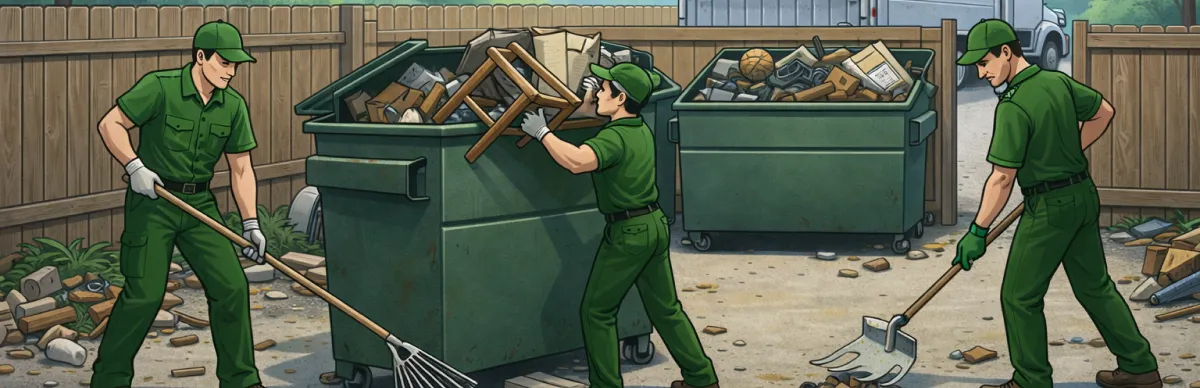
Consistent Waste Removal
Improved Neighborhood Cleanliness
Flexible Pickup Schedules
Eco-Friendly Disposal Practices
Reliable Customer Support
Affordable Service Plans
Coordinating Weekly Curbside Trash Collection with Alpharetta's Public Works Department
Alpharetta's regular trash pickup program is administered through the city's contracted waste hauler, which provides weekly curbside collection for residential properties. Residents must adhere to specific preparation and placement guidelines to ensure timely service and avoid code enforcement issues. Key requirements include:
- Cart placement: Roll carts must be placed at the curb by 6:00 AM on the scheduled collection day and removed within 24 hours after pickup
- Cart positioning: Carts should face the street with lids closed, placed at least 3 feet apart from other carts, mailboxes, or obstructions
- Prohibited overflow: All waste must fit inside the city-issued cart with the lid fully closed; loose bags placed beside the cart may not be collected
- Collection schedule: Pickup occurs on the same designated weekday each week; holiday delays typically shift collection by one day
Residents experiencing missed pickups should report the issue within 24 hours through the city's service request system. The Alpharetta Public Works Department oversees contract compliance and can address recurring service concerns.
Alpharetta Public Works Department
2 Park Plaza, Alpharetta, GA 30009
Phone: (678) 297-6000
Official Website: Alpharetta Public Works Department
Alpharetta's Prohibited Waste Items and Proper Disposal Alternatives
Not all materials may be placed in regular curbside trash carts. Alpharetta enforces restrictions on certain waste categories to protect public health, collection workers, and the environment. Residents must separate the following items from regular household trash:
- Hazardous waste: Paints, solvents, pesticides, motor oil, and automotive fluids require disposal through Fulton County's Household Hazardous Waste collection events
- Electronics: Computers, televisions, and monitors should not be placed in trash carts; Georgia does not currently mandate e-waste recycling statewide, but Fulton County offers periodic e-waste collection events
- Appliances with refrigerants: Refrigerators, freezers, and air conditioning units require refrigerant recovery by a certified technician per EPA Section 608 regulations before disposal
- Batteries: Lead-acid and lithium-ion batteries are prohibited from landfill disposal in Georgia and must be recycled through retail takeback programs or designated drop-off sites
- Yard waste: Grass clippings, leaves, and branches must be separated from household trash and placed in designated yard waste containers or bags for separate collection
Violations may result in refused collection or code enforcement action through the Alpharetta Community Development Department.
Georgia's Solid Waste Management Act and Alpharetta Compliance Requirements
Georgia's solid waste regulations are governed by the Georgia Comprehensive Solid Waste Management Act (O.C.G.A. § 12-8-20) and enforced by the Georgia Environmental Protection Division. This legislation establishes the framework for municipal waste collection, landfill operations, and recycling goals that directly affect Alpharetta's trash pickup program. Key state-level requirements include:
- Solid waste management plans: All Georgia municipalities must maintain a comprehensive solid waste management plan updated every ten years, addressing collection, disposal, and waste reduction strategies
- Landfill restrictions: Georgia prohibits disposal of lead-acid batteries, used motor oil, and yard trimmings in municipal solid waste landfills
- Waste reduction goals: The state encourages a 25 percent waste reduction goal through recycling, composting, and source reduction programs
- Hauler requirements: Commercial waste haulers operating in Alpharetta must maintain proper licensing and comply with Georgia EPD permitting standards
Georgia Environmental Protection Division
2 Martin Luther King Jr. Drive SE, Suite 1456, Atlanta, GA 30334
Phone: (404) 656-4713
Official Website: Georgia Environmental Protection Division
Residents and haulers should consult the Alpharetta Natural Resources Commission for local sustainability initiatives that complement state mandates.
Stormwater Protection and Proper Waste Containment in Alpharetta
Improper trash storage and curbside placement can contribute to stormwater pollution, a concern actively managed by Alpharetta's municipal programs. Loose debris, overflowing carts, and improperly bagged waste can enter storm drains during rain events, carrying pollutants into local waterways including Big Creek and the Chattahoochee River watershed. Residents should follow these containment practices:
- Secure all waste inside closed-lid carts to prevent wind scatter and rainwater contamination
- Double-bag liquids and food waste to prevent leakage onto streets and into storm drains
- Never place loose trash on the curb outside of designated collection containers
- Report illegal dumping to the Alpharetta Police Department at (678) 297-6300, as unauthorized waste disposal violates both city ordinances and state environmental law
- Clean spills promptly if trash cart contents leak onto driveways or streets before they reach storm inlets
The Alpharetta Stormwater Program provides educational resources on pollution prevention and enforces compliance with federal Clean Water Act requirements through its Municipal Separate Storm Sewer System (MS4) permit.
Alpharetta Stormwater Program
2 Park Plaza, Alpharetta, GA 30009
Phone: (678) 297-6000
Official Website: Alpharetta Stormwater Program
Recycling Separation Requirements for Alpharetta Residential Trash Service
Alpharetta's residential waste program includes curbside recycling collection alongside regular trash pickup. Proper sorting between trash and recycling carts is essential to avoid contamination of recyclable materials, which can result in entire loads being diverted to landfill. Residents should observe the following separation guidelines:
- Accepted recyclables (place in recycling cart): cardboard, paper, aluminum and steel cans, plastic bottles and containers (#1-#7), and glass bottles and jars
- Non-recyclable items (place in trash cart): food-soiled paper, Styrofoam, plastic bags, ceramics, and mirrors
- Preparation requirements: Rinse food residue from containers, flatten cardboard boxes, and remove caps from bottles
- No bagging: Recyclables must be placed loose in the recycling cart — plastic bags jam sorting equipment at materials recovery facilities
- Bulk cardboard: Large quantities of cardboard should be broken down flat and placed beside the recycling cart if they do not fit inside
Contamination rates above 15-25 percent can cause entire truckloads to be rejected at processing facilities. The EPA Region 4 office provides additional guidance on recycling best practices for southeastern states including Georgia.
What Neighborhoods Do We Serve Throughout Alpharetta, GA?
- Windward: This large master-planned community features single-family homes with wide streets and easy curbside access. HOA guidelines may specify cart storage requirements and timing for placement and retrieval after collection day.
- Avalon Area: The mixed-use development near Avalon combines residential townhomes with commercial properties, requiring coordination between residential and commercial waste collection schedules. Narrow service alleys may affect cart placement for attached units.
- Crabapple: Alpharetta's historic district includes older homes on smaller lots with limited driveway frontage. Residents should ensure carts do not obstruct sidewalks or encroach on the roadway in areas with narrower rights-of-way.
- Old Milton: Larger estate-style properties along Old Milton Parkway often have extended driveways, requiring residents to transport carts to the curb line for collection. Yard waste volumes tend to be higher due to larger lot sizes.
- Downtown Alpharetta: Compact residential streets near the city center may have on-street parking that limits cart placement space. Residents should position carts in designated areas clear of parked vehicles and fire hydrants.
- Cogburn Road Corridor: A mix of established subdivisions and newer townhome developments characterizes this area. Townhome communities may use shared collection points rather than individual curbside pickup, depending on HOA arrangements with the contracted hauler.